
Fact-Checked & Reviewed for Technical Accuracy
Reviewed for Accuracy
- Author: Bay Area Demolition and Hauling Editorial Team
- Reviewed by: John Alviter
- Reviewer Role: Founder & Lead Demolition Contractor
- Company: Bay Area Demolition and Hauling
- Google Business Profile: Bay Area Demolition and Hauling
- Review Snapshot: As of September 2026, our Google Business Profile shows 271 reviews with a 5.0 average star rating. Because review counts change, homeowners should check the live profile before hiring.
- CSLB License Number: #1123506
- License Classification: C-21 (Building Moving/Demolition)
- Last Reviewed: September, 2026
Take a walk out into your backyard and look at that old storage shed sitting in the corner. Maybe it was there when you bought the house, or perhaps it served its purpose years ago but has since been abandoned to spiders, rust, and dry rot. The doors don’t close anymore, the roof is sagging, and the structure is taking up valuable real estate where a beautiful stone patio, a vibrant garden box, or a clean patch of grass could be.
You want it gone, but you have one major question holding you back:
How much does shed removal cost in San Jose?
Calculating the actual cost requires looking at more than just the raw size of the structure. Because we live in the Bay Area, local labor rates, strict municipal dumping laws, and structural foundation types all play a massive role in the final price tag.
Safely and legally tearing down an old backyard structure does not have to be a guessing game. Let’s break down the real cost factors, material variables, city permit exemptions, and disposal rules so you can accurately budget for your property upgrade.
 Quick Answer for San Jose Property Owners
 Quick Answer for San Jose Property Owners
On average, a professional backyard shed demolition in San Jose costs $1,000 to $5,000+.
- A small, lightweight plastic or tin shed with easy access typically costs between $800 and $1,000 to dismantle and haul away.
- A medium-sized 10×12 shed with a standard teardown runs between $2,000 and $3,000.
- A large, heavy wood-framed storage structure anchored to a thick concrete foundation slab can easily range from $5,000 to $6,000+, depending on layout, access, interior junk, and utility hookups.
Why Shed Removal Pricing Varies So Much
Shed removal sounds simple at first glance. However, no two backyard demolition projects are identical. One project might be an empty resin storage unit sitting on bare dirt, while another is a custom wood-framed workshop packed with years of forgotten household clutter and bolted to a reinforced concrete pad.
A professional crew builds an accurate quote by balancing several physical variables on your lot:
1. Shed Size and Construction Style
Size scales the amount of time and physical labor required for a teardown. A small 6×6 or 8×10 shed comes apart quickly when empty and light. Larger structures like a 10×12, 12×16, or 12×20 shed take significantly more time, expand into massive piles of debris once knocked down, and require a larger crew to handle safely.
2. Material Type: Wood, Metal, or Plastic
The core material dictates the tools needed and the complexity of the teardown:
- Plastic or Resin Sheds: Usually the lightest option, but they can become brittle and crack into sharp pieces if they have sat in the California sun for years.
- Lightweight Metal Sheds: These often feature sharp tin panels, rusted tracks, and weathered screws that require careful handling to prevent injury.
- Wood-Framed Sheds: These create high-density, heavy debris. They feature solid framing lumber, heavy studs, exterior siding, and layers of asphalt roof shingles that take real physical effort to dismantle.
Mixed-material structures take the longest to process because a professional crew must systematically separate the wood, metal panels, roofing, and hardware on-site to ensure compliance with local recycling regulations.
3. Interior Junk and Stored Contents
Many sheds are used as dumping grounds for items people don’t want in the house. If your structure is packed with old tools, scrap wood, garden supplies, paint cans, chemicals, and forgotten boxes, it will add to your total project cost. The crew must completely clean out, sort, and safely bag the interior contents before the structural demolition can even begin.
Cost Breakdown Matrix by Shed Size & Type
To help you project where your backyard structure falls on the pricing spectrum, this matrix outlines standard regional pricing based on real-world layout conditions in Santa Clara County:
| Shed Size & Material | Foundation Type | Estimated Cost Range | What Is Included in the Scope |
|
Small (6×8 to 8×10) Tin, plastic, or light prefab panels |
Skids, gravel, or bare dirt | $800 – $1,000+ | Full structural breakdown, hardware sorting, immediate truck loading, and a clean site sweep. |
|
Medium (10×12 to 12×12) Standard wood framing & shingles |
Wood platform or light blocks | $2,000 – $3,000+ | Roof deconstruction, wall knockdown, floor system removal, and complete debris haul-off. |
|
Large (12×16 to 12×20+) Heavy wood framing or stucco finishes |
Heavy timber or concrete perimeter | $3,000 – $5,000+ | Multi-stage structural dismantling, structural safety monitoring, loading, and large-scale commercial hauling. |
|
Concrete Slab Base Add-On 4 to 6 inches thick |
Poured reinforced concrete slab | $3,000 – $5,000+ | Heavy equipment breaking, deep footing extraction, high-density weight loading, and specialized recycling fees. |
Yard Access and Distance to the Truck
The physical layout of your property can change demolition costs more than you might expect. A shed located right next to a wide driveway or an open side yard is highly straightforward to clear.
However, project labor hours mount quickly when a structure is tucked away in a tight space. Cost factors adjust upward if:
- The side gate is narrow (under 36 inches), preventing small motorized equipment from entering the yard.
- The crew has to carry thousands of pounds of heavy wood and sharp metal completely by hand across a deep yard, up a slope, or down outdoor steps.
- The workspace is tight against neighbor fences, delicate vinyl screens, or mature landscaping, all of which must be carefully shielded from falling debris.
 Taking clear photos of the pathway from the street to your backyard structure is one of the best ways to secure a highly accurate, binding estimate upfront.
The Danger Zone: Managing Shed Utilities Safely
Do not assume an old backyard shed is safe to tear apart simply because it looks abandoned and weathered. Many older structures were wired for convenience, featuring overhead power lines, wall outlets, light fixtures, or independent subpanels. Others may cover up active backyard water lines, irrigation pipes, or exterior gas lines leading to outdoor grills and fire pits.
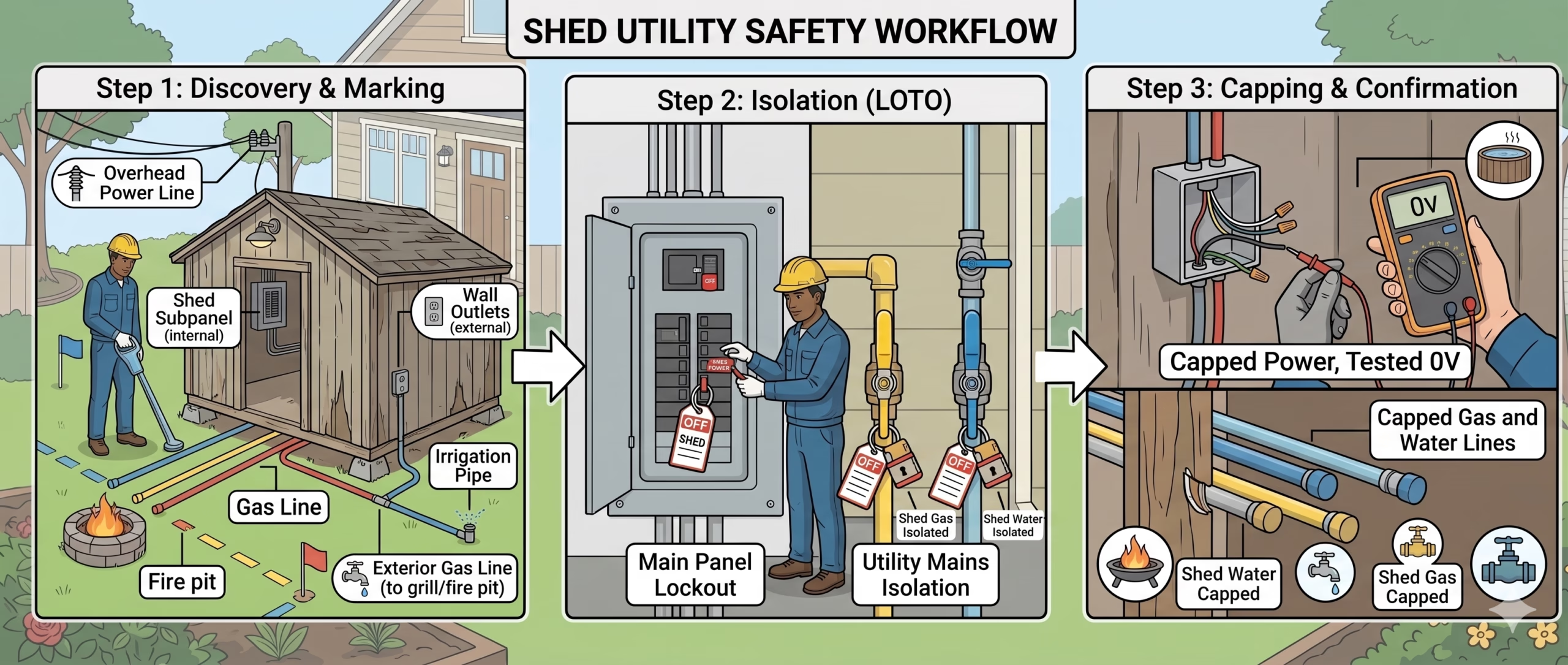
San Jose safety guidelines strictly require that handling utilities be carefully contained to eliminate fire, electric shock, and environmental hazards. Before any structural tearing or cutting begins, active lines must be located, turned off, and safely isolated.
When you consult a specialized team like Bay Area Demo & Hauling, we review your utility layout during the initial site walk. For standard wire capping and light plumbing line isolations, our crew can often handle the safety steps directly on-site, removing the stress of coordinating with multiple utility companies before your demolition can proceed.
San Jose’s Strict Debris & Recycling Laws
Tearing down a shed generates an incredible volume of mixed construction and demolition (C&D) waste. You cannot simply toss structural framing lumber, asphalt shingles, and old siding into standard residential trash cans or leave them piled on the curb.
The City of San Jose enforces rigid waste management and material diversion mandates. For projects that fall within formal permit territory, the city uses the Construction and Demolition Diversion (CDD) program. This structure requires contractors to document material weights, demonstrating that a significant percentage of the structural waste was successfully diverted from landfills and routed to certified regional recycling facilities.
Additionally, San Jose operates an authorized hauler program. If your property requires a temporary roll-off debris box to collect structural waste, only waste removal companies with explicit prior city approval are legally permitted to drop off and transport those bins. Partnering with a locally registered team automatically handles all regulatory compliance behind the scenes.
Structural Demo vs. Concrete Foundation Removal
When mapping out your project budget, you must make a clear decision regarding what happens to the floor underneath the building.
Leaving the Foundation Intact
If your shed sits on a poured concrete pad or stable brick pavers that are still flat and in great shape, you can choose to remove only the wooden or metal framing above ground. This leaves you with a clean, solid pad that can be repurposed for an open outdoor patio, a new gazebo layout, or a clean storage footprint, which effectively lowers your overall demolition costs.
Full-Scale Base Removal
If the concrete slab beneath your old structure is badly cracked, tilted down a slope, or buckled by mature tree roots, leaving it in place will ruin future backyard upgrade plans. Breaking apart and hauling away thick, reinforced concrete requires heavy mechanical breakers, automated skid-steers, and high-density haul vehicles. Because concrete carries significant weight, writing Concrete Removal directly into your project scope from day one helps avoid unexpected budget adjustments later.
San Jose Permit Rules for Backyard Sheds
Do you actually need to pay for a city building permit to pull down a basic backyard shed? In San Jose, the legal requirement comes down to two main factors: square footage and utility connections.
- The 120 Square Foot Exemption: According to San Jose municipal building codes, single-story detached accessory structures (such as tool sheds, gazebos, and playhouses) are exempt from a building permit if the gross floor area is 120 square feet or less.
- The Utility Exception: This structural permit exemption is instantly voided if the backyard shed contains active electrical wiring, plumbing, or mechanical equipment.
This means an old, unwired 8×10 garden shed can come down tomorrow with zero city paperwork. However, if you are clearing out a large 12×14 workshop or an electrically wired pool house, you should plan to secure a standard demolition permit before work begins. If your shed is attached to a secondary building or shares a wall with a detached garage, reviewing rules for a full Garage Demolition or a comprehensive Residential Demolition footprint is highly recommended.
The True Risks of DIY Shed Removal
Attempting a DIY shed demolition over a weekend might seem like an easy way to save money, but it frequently turns into a dangerous logistical nightmare. Weathered backyard structures are structurally unstable; pulling apart a support beam or wall panel incorrectly can cause the entire heavy roof system to collapse sideways or pancake unexpectedly. Furthermore, old sheds are notorious breeding grounds for hidden wasp nests, rodent colonies, black widow spiders, and thousands of sharp, rusted nails hidden inside rotting timber framing.
By partnering with a licensed, insured, and locally recognized team like Bay Area Demo & Hauling, the entire project is completed safely and efficiently:
- Property Protection: The crew installs heavy physical barriers to isolate the workspace, shielding your surrounding gates, residential siding, windows, and mature landscaping from falling debris.
- TWW and Debris Sorting: Old deck and shed components often contain chemically treated lumber. A professional crew handles, logs, and hauls away all construction waste in accordance with strict state environmental mandates.
- Pristine Site Handover: When the teardown is complete, the entire area is thoroughly raked, swept with industrial magnetic rollers to capture stray nails, and left flat and clean, ready for your next home upgrade.
Ready to reclaim your backyard space? Explore our professional Shed Removal Services to request a fast quote, or browse our comprehensive Residential Demolition options to kickstart your upcoming home renovation project today.
Checklist: Before You Request a Quote
Gathering these quick layout details before reaching out for an estimate helps our team provide the most accurate, transparent price quote possible:
- Photos of the full shed from a few angles (including the inside if safe to enter)
- Approximate size dimensions (Length, width, and estimated height)
- Whether the structure has active power, gas lines, or plumbing connections
- Whether the underlying concrete pad or wood floor system should stay or go
- Photos of the access pathway (Show us the gates, side paths, or driveways leading to the yard)
- A brief description of what you plan to build or place in that backyard footprint next
Frequently Asked Questions
How much does a standard 10×12 shed removal cost in San Jose?
A standard 10×12 wooden shed removal typically costs between $2,000 and $3,000. The exact price varies depending on how easy it is for our crew to access your backyard, the total weight of the debris materials, and whether you need an underlying concrete slab broken up and hauled away.
Can I leave the concrete base behind when you remove the shed?
Yes. If your concrete foundation is level and in good condition, we can carefully dismantle the above-ground wooden or metal structure while leaving the pad completely untouched for you to reuse as a patio, parking area, or a base for a future building.
Who handles utility disconnections before a shed teardown?
Make Bay Area Demo & Hauling your very first call. While major electrical panel overhauls require a specialized tradesman, our crew can safely handle standard wire capping on-site during demolition. We will personally evaluate your utility links during our initial site visit and map out the safest path forward so you don’t have to stress about hiring an outside company first.
Does my shed teardown require a permit from the City of San Jose?
If your detached backyard shed is 120 square feet or less and has absolutely no connected utilities (power, water, or gas), it is completely exempt from a building permit. If it exceeds 120 square feet or contains active utility lines, a city permit must be secured before structural demolition begins.
Can backyard shed materials be recycled?
Yes, many common shed materials are highly recyclable. Clean timber studs, metal roofing panels, and concrete base pieces are sorted by our team and hauled to certified local recycling facilities across Santa Clara County to maximize material diversion away from landfills.
Can I safely demolish a backyard shed by myself?
While small plastic storage lockers are straightforward to disassemble, larger wooden or metal sheds pose immediate structural dangers. Weathered beams can collapse unexpectedly, and handling thousands of rusty fasteners, hidden pest hazards, and heavy structural weights can lead to property damage or serious personal injury without professional tools and safety training.